Preserving the Ancient Hunt: Uncovering the Living Archives of the Altai
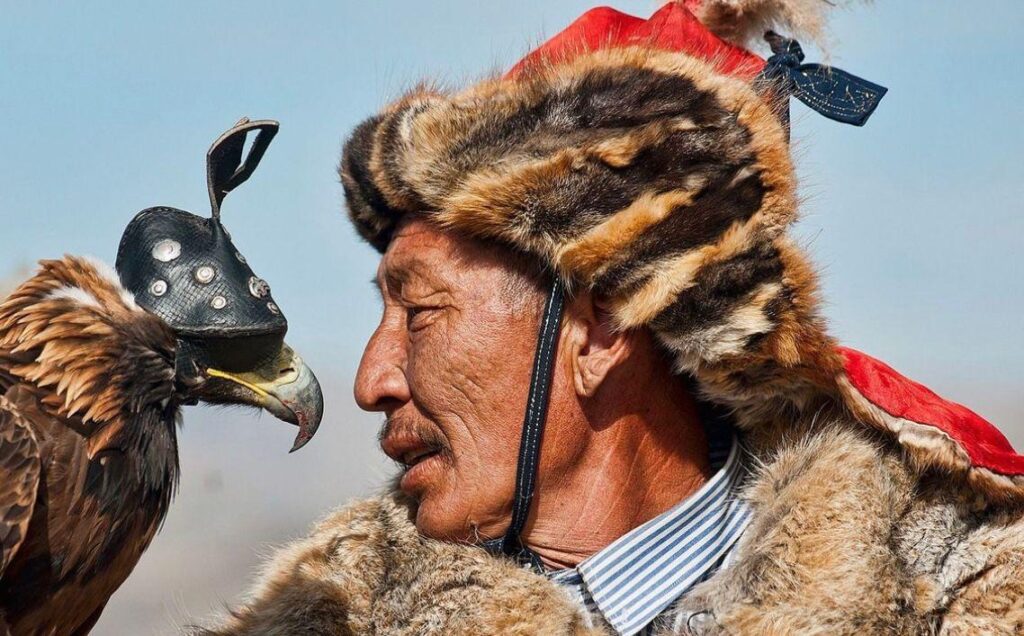
In the world of media preservation, we often focus on digitizing film reels or restoring lost tapes. However, there is a form of “lost media” that isn’t stored on a hard drive—it is carried in the muscle memory of the Kazakh nomads in Mongolia. For those interested in Mongolia travel, the far western province of Bayan-Olgii offers a rare glimpse into a heritage that has survived for over a thousand years. The tradition of eagle hunting is a living archive, a narrative of survival and partnership that remains one of the most compelling stories on the planet.
A Mongolia trip to the Altai Mountains is more than a vacation; it is a journey into a space where time seems to have stood still. In a globalized world where niche cultures are often absorbed into the mainstream, the Mongolian Kazakhs have fought to keep their identity intact. The primary vessel for this preservation is the Mongolian Golden Eagle Festival. This annual gathering is not merely a competition; it is a reclamation of history. Here, the “media” is the oral tradition, the hand-stitched clothing, and the bond between man and bird.
For researchers and enthusiasts of ancient cultures, Mongolia tours provide the necessary access to these remote communities. The festival acts as a central hub where the most skilled hunters display techniques that have been passed down through generations. To truly understand the weight of this heritage, it helps to read a first-hand account of an experience at the Golden Eagle Festival, which highlights the raw, unscripted nature of the event. Unlike a staged performance, this is a community gathering where the stakes are real and the tradition is a point of immense pride.
The Mongolia eagle festival serves as a vital safeguard against cultural erasure. As younger generations move toward urban centers, events like these provide a powerful incentive to maintain nomadic skills. For travelers who want to support this cultural sustainability, joining a tour to the eagle festival is an excellent way to ensure your visit contributes directly to the local economy and the continued preservation of these ancient practices.
During the festival, you witness the intricate craftsmanship that accompanies the hunt. The leather hoods of the eagles, the carved wooden perches, and the heavy fox-fur coats of the hunters are all part of a visual language that signifies a deep respect for the natural world. This is the “lost media” of the steppe—a tactile, living history that requires presence to be understood. Through dedicated Mongolia travel, outsiders are allowed to witness this spectacle, but the true value lies in the preservation of the hunter’s soul.
Every aspect of a Mongolia trip during this season is a lesson in resilience. The Altai Mountains are a harsh environment, and the success of the eagle hunters depends on their ability to read the wind, the terrain, and their animals. The festival brings this into focus through various competitions, from eagle calling to horse-based games that test the limits of human endurance. It is a sensory-rich archive of human capability that reminds us of a time before digital noise.
In conclusion, the Mongolia Golden Eagle Festival is a cornerstone of global heritage. It represents a successful effort to protect a way of life that many feared would be lost to history. By engaging in thoughtful Mongolia tours, we help validate and sustain these practices. Whether you are a historian, a media creator, or a curious traveler, the Altai Mountains offer a story that is as vivid today as it was a millennium ago.