Why Iceland Is Becoming a Dream Destination for Digital Nomads
For years, Iceland was the kind of place people visited for an epic road trip, a week in campervan in Iceland to fulfil your bucket list dreams. Drive past waterfalls and glaciers for a week, then head home with thousands of photos and a drained bank account. But recently, Iceland has started attracting a completely different type of traveler. Digital nomads are beginning to see Iceland not just as a short-term adventure, but as a place to actually live and work remotely for weeks or even months at a time.
And honestly, it makes sense.
If your office is a laptop and a decent WiFi connection, why not answer emails beside a snow-covered harbor in Reykjavik? Why not spend your lunch break soaking in a geothermal lagoon or chasing waterfalls along the South Coast? Iceland is expensive, cold, and isolated, but for the right person, that’s exactly the appeal.
Iceland Feels Completely Different From Anywhere Else
The biggest reason digital nomads fall in love with Iceland is simple: nowhere else looks remotely like it.
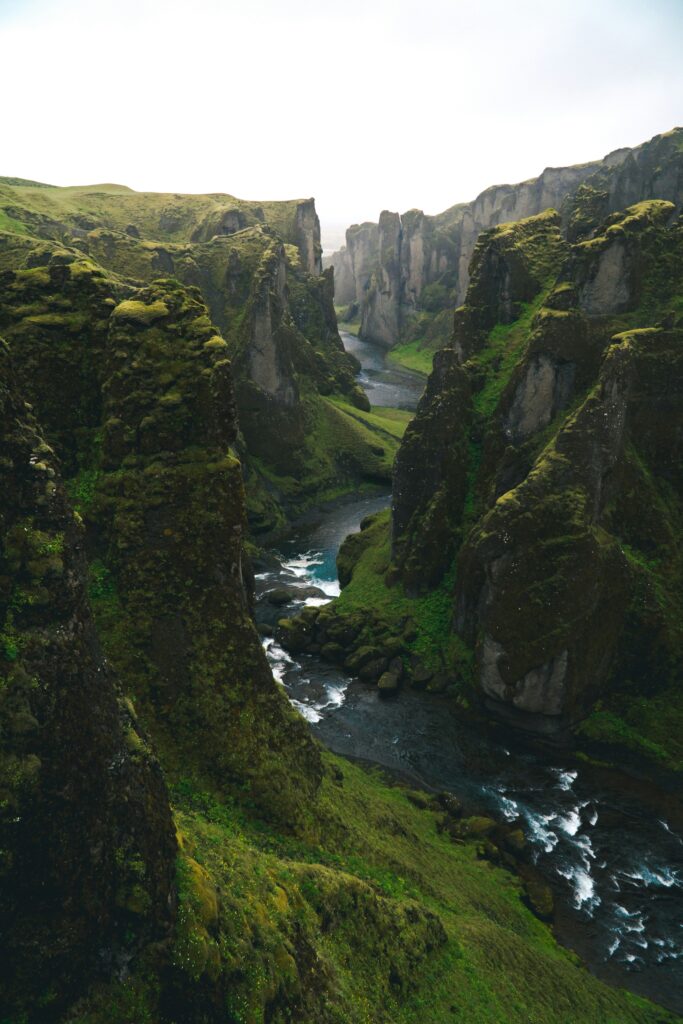
Volcanoes, glaciers, lava fields, black sand beaches, giant waterfalls, steaming geothermal vents, and roads disappearing into endless empty landscapes. Even after visiting almost every country in the world, Iceland still feels unique. It genuinely feels closer to another planet than mainland Europe.
That matters more than people think.
A lot of digital nomad hubs eventually blend together. Beach cafes start looking the same. Coworking spaces feel identical. One cheap apartment merges into the next. Iceland completely breaks that cycle. Every drive feels cinematic. Every weather change transforms the landscape again.
You can spend your morning on client calls, then drive an hour and hike across a glacier before sunset. That balance between work and adventure is what makes Iceland stand out from almost every other remote work destination.
Reykjavik Is Small but Ideal for Remote Work
Most digital nomads base themselves in Reykjavik, and it’s easy to understand why.
The city is compact, safe, modern, and surprisingly creative. You can walk almost everywhere, internet speeds are excellent, and English is spoken fluently by almost everyone. Despite its small size, Reykjavik has a genuinely international atmosphere, especially during summer when travelers and remote workers arrive from all over the world.
The cafe culture works perfectly for digital nomads too. You’ll find plenty of quiet coffee shops where people spend hours working remotely, especially around the downtown area. Coworking spaces have also grown in popularity as Iceland slowly becomes more attractive to freelancers, startup founders, and online business owners.
What makes Reykjavik different from many European capitals is the pace. It never feels chaotic or overwhelming. Even during busy periods, the city feels calm. That slower atmosphere can actually make remote work more productive because there are fewer distractions competing for your attention.
Iceland’s Digital Nomad Visa Changed Everything
One of the biggest reasons Iceland entered the digital nomad conversation is because of its remote work visa.
Iceland officially allows eligible remote workers from outside the EU and EEA to stay in the country while working online for overseas companies or clients. The visa allows stays of up to six months, making Iceland a realistic medium-term base rather than just a short holiday destination.
The requirements are stricter than many other digital nomad visas around the world. Iceland mainly targets higher-income remote workers rather than backpackers or budget travelers. Applicants need to prove substantial monthly income and cannot work for Icelandic companies during their stay.
That sounds restrictive, but it actually fits Iceland well. Iceland has never tried to compete with cheap digital nomad hubs like Bali or Chiang Mai. Instead, it appeals to people looking for quality of life, safety, nature, and a completely different environment.
Camper Van Travel Makes Iceland Perfect for Nomads
One of the best things about Iceland is how easily you can combine work with travel.
A huge number of remote workers explore the country using camper van rentals rather than hotels. Honestly, it’s probably the smartest way to experience Iceland properly. Instead of constantly checking in and out of accommodation, you can work remotely during the day and drive somewhere completely different every evening.
One day you might park beside a glacier lagoon. The next, you’re waking up beside a black sand beach or a remote geothermal valley.
That freedom is a huge part of Iceland’s appeal.
The Ring Road makes the country relatively easy to navigate, and campsites exist all around Iceland. During summer especially, the country almost feels designed for road trips. For digital nomads balancing online work with exploration, that flexibility becomes addictive.
Companies like Cozy Campers have become popular with travelers because they combine transport, accommodation, and adventure into one setup. For remote workers wanting to experience Iceland beyond Reykjavik, camper van travel completely changes the experience.
Iceland Is Expensive, and That Matters
There’s no point pretending otherwise. Iceland is one of the most expensive countries in Europe.
Groceries are expensive. Restaurants are expensive. Accommodation is expensive. Fuel prices can hurt if you’re driving long distances around the island. Even simple everyday purchases add up quickly.
That reality means Iceland isn’t ideal for every digital nomad.
If your goal is to live as cheaply as possible while working online, Southeast Asia or parts of Latin America make far more financial sense. Iceland works best for remote workers who already earn well and value experience over low costs.
The upside is that the quality of life is extremely high. Iceland is clean, organized, safe, and incredibly well-functioning. Infrastructure is excellent, crime rates are low, and nature is accessible almost everywhere.
For many remote workers, that tradeoff feels worthwhile.
Icelandic Winters Are Intense
Winter in Iceland is beautiful, but it can also be mentally challenging.
The daylight hours become incredibly short, storms can be severe, and temperatures combined with wind can feel brutal. Some days feel almost permanently dark.
For some people, that isolation becomes difficult after a while.
For others, it becomes strangely peaceful.
Winter forces you to slow down. You spend more time indoors, more time focusing deeply on work, and more time embracing quieter routines. Cafes become cozy refuges from the weather. Geothermal pools feel magical when snow is falling around you.
Then summer arrives and Iceland transforms completely. Endless daylight, green landscapes, busy roads, festivals, and nearly 24-hour sunlight create a completely different atmosphere. Few countries change personality as dramatically between seasons as Iceland does.
Nature Completely Changes Your Daily Routine
What surprises many digital nomads in Iceland is how much the environment changes your lifestyle.
You spend less time scrolling endlessly online. Less time sitting indoors. Less time distracted by meaningless routines.
Instead, nature becomes part of everyday life.
After work, your evening options suddenly include glacier hikes, hot springs, black sand beaches, Northern Lights hunting, whale watching, or simply driving through landscapes that don’t feel real.
That constant connection to nature affects your mindset more than most people expect. Iceland naturally slows you down. It forces you to appreciate quiet moments and empty spaces.
For many digital nomads who feel burned out after years of constant movement, Iceland can feel surprisingly refreshing.
Is Iceland Worth It for Digital Nomads?
For the right person, absolutely.
Not everyone will enjoy Iceland long term. If you want cheap nightlife, tropical weather, and low living costs, there are far easier places to base yourself remotely. Iceland demands more financially and mentally than most digital nomad destinations.
But what it gives back is difficult to replicate anywhere else.
The country feels raw, creative, isolated, and inspiring all at once. There’s something strangely motivating about finishing work while looking out across snow-covered lava fields or driving through empty mountain roads after a long workday.
Iceland doesn’t just feel like another place to work remotely.
It feels like somewhere that reminds you why you wanted freedom in the first place.